PATH STEP #4
TURNING SKILLS INTO CONSISTENCY
Clarity helps you see what matters.
Action gets you moving.
Skills help you create value.
Systems help you do it consistently.
Most people rely on motivation.
Successful people rely on systems.
Because motivation comes and goes.
Systems keep working.
You can have talent without consistency.
You can have knowledge without results.
You can have skills without progress.
But when useful skills are supported by good systems,
everything becomes more effective.
Systems create consistency when motivation disappears.
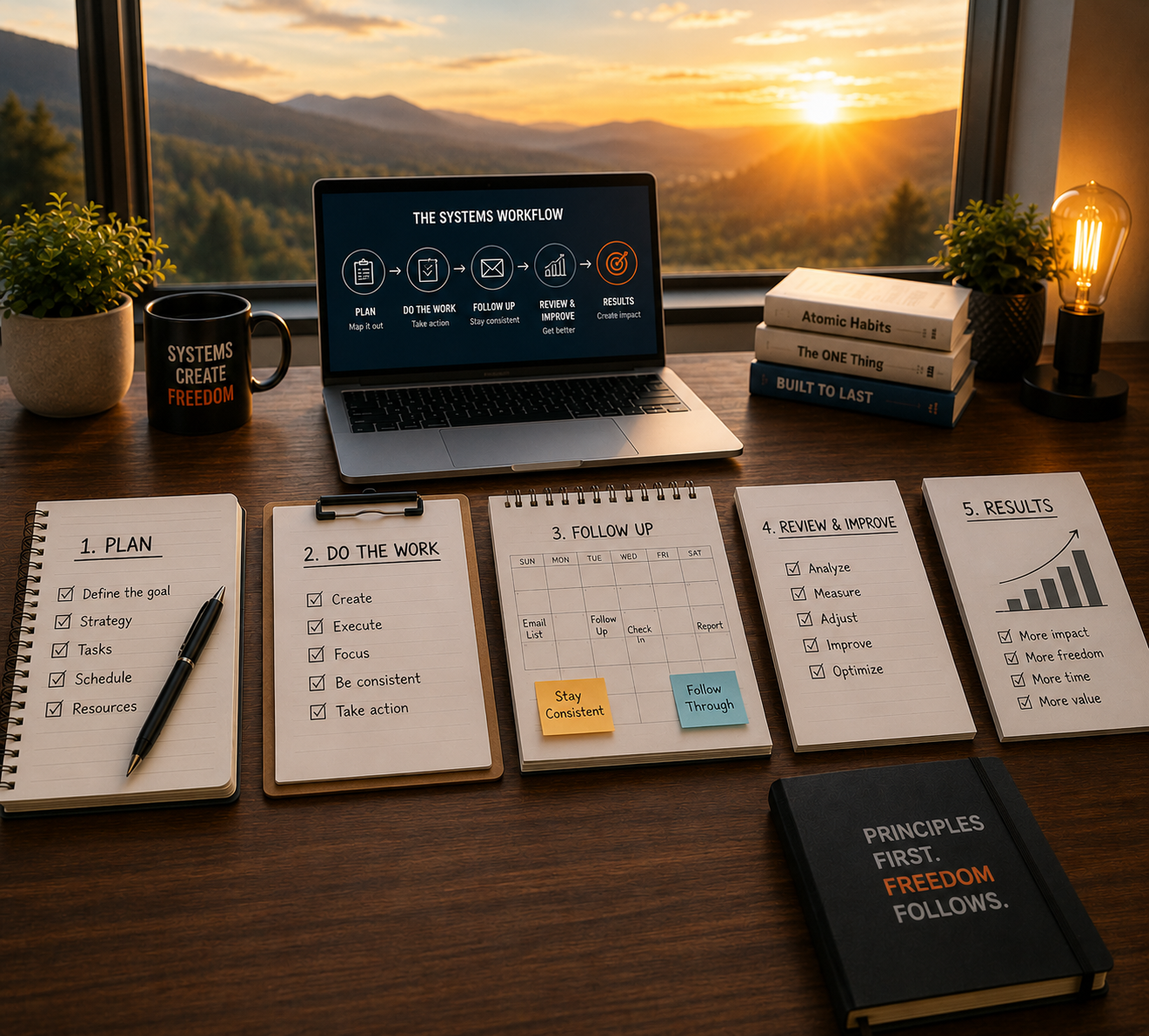

Consistency beats motivation.
Most people do not struggle because they lack potential.
They struggle because they rely on memory, motivation, and willpower.
They tell themselves:
I've done that myself.
The problem is that life rarely slows down.
Responsibilities continue.
Work continues.
Family continues.
Unexpected problems continue.
That is why systems matter.
A system helps you keep moving even when life gets busy.
For years, I thought success came from working harder.
Sometimes it does.
But eventually I learned something important.
The people who consistently succeed are usually not doing everything manually.
They create repeatable processes.
I've seen this in business.
I've seen it in leadership.
I've seen it in operations.
I've seen it in investing.
The more complex things become, the more important systems become.
Good systems reduce mistakes.
Good systems save time.
Good systems improve consistency.
And consistency often produces better results than occasional bursts of effort.

Systems make success repeatable.

Systems help small efforts produce bigger results.
Imagine sending the same email manually every day.
Imagine writing the same reminder every day.
Imagine rebuilding the same process every week.
Eventually you realize something.
There has to be a better way.
That is where systems create leverage.
A system allows one action to produce results again and again.
A checklist is a system.
A calendar is a system.
An email sequence is a system.
A content schedule is a system.
An investment plan is a system.
Systems help you spend less time repeating yourself and more time creating value.
When people hear the word system, they often imagine something complex.
That is not what I mean.
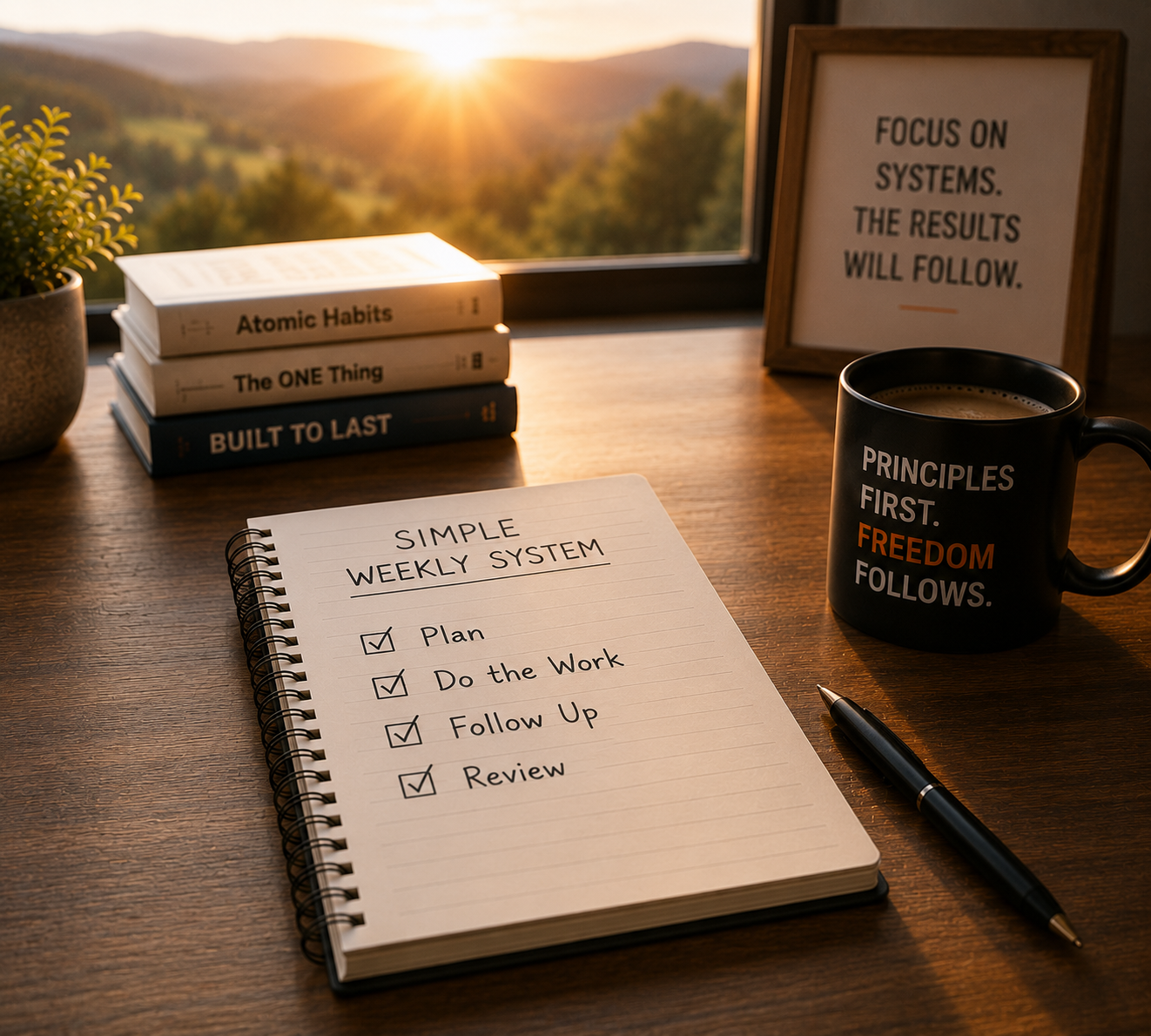
A system can be simple.
A morning routine is a system.
A weekly review is a system.
A content calendar is a system.
A follow-up process is a system.
A savings plan is a system.
The goal is not complexity.
The goal is consistency.
The best systems are often simple enough that you actually use them
Simple systems often work best.
Before building another goal, ask yourself:
The answers often reveal where your next breakthrough is hiding.
Do not try to automate everything at once.
Do not try to build complicated systems,
Start small.
Create one system.
Use it
Improve it.

Then build another.
A simple system you actually follow is more valuable than a complicated system you never use.
Over time, systems create consistency.
Consistency creates momentum.
Momentum creates results.
And results build confidence.
Skills help you create value.
Systems help you create consistency.
Assets help you create ownership.
The next step is learning how to build assets that continue working for you even when you're not actively working on them.
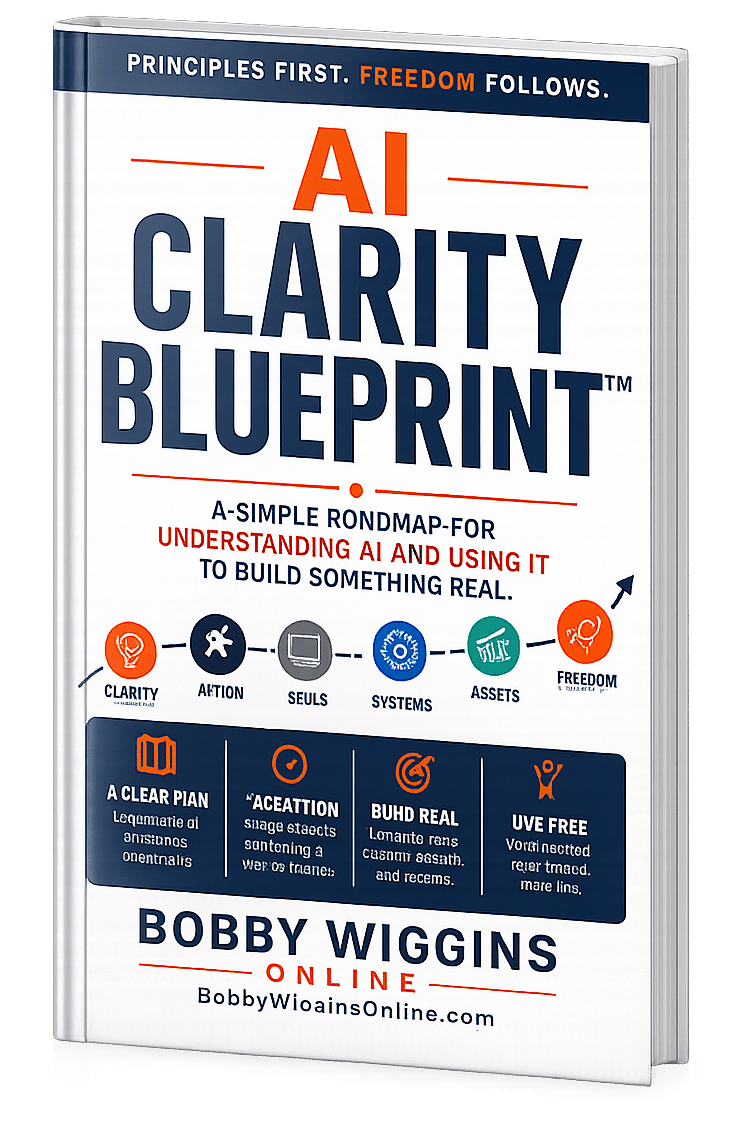
If you're still trying to understand how AI, online business, and digital opportunities fit into your future, start here:
Get the AI Clarity Blueprint™
A simple roadmap designed to help you better understand the opportunities, challenges, and possibilities of AI without the hype or confusion.
Principles First. Freedom Follows.
A skills-based approach to building real, long-term assets online.

This site is designed to help you gain clarity, build skills, and understand what actually works — before you make any decisions.